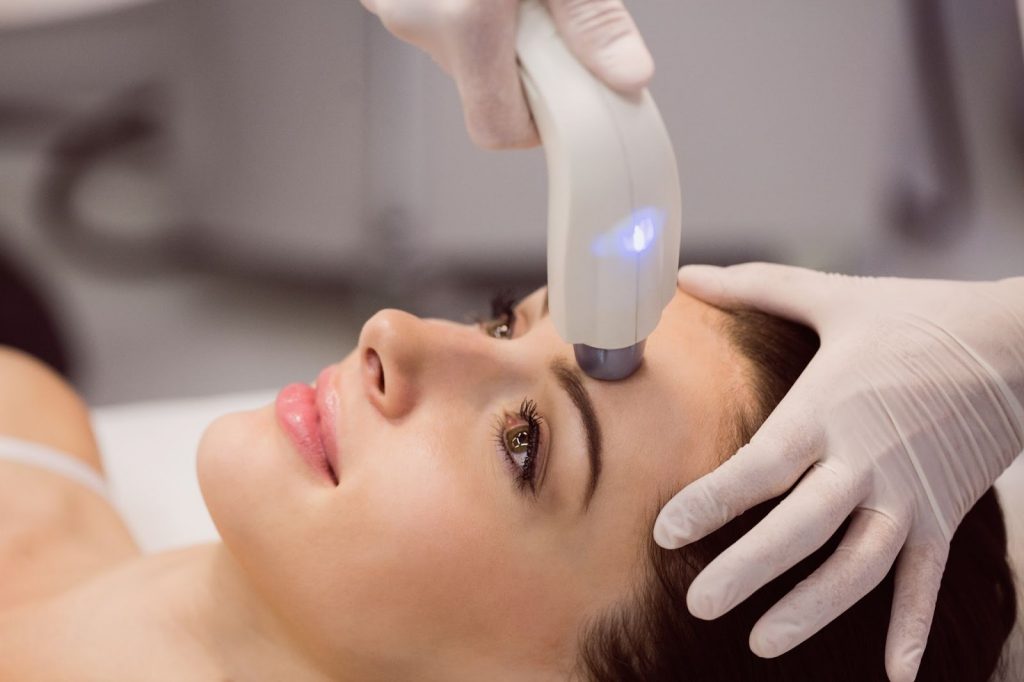
Uneven skin tone, dark spots, and stubborn pigmentation are among the most common skin concerns affecting people of all ages. Whether it’s sun damage, melasma, post-acne marks, or age spots these issues can significantly impact your confidence and self-image. While countless creams and home remedies promise results, laser skin treatment for pigmentation has emerged as one of the most effective, long-lasting solutions available today.
If you’ve been wondering whether laser treatment is right for you, this guide will walk you through everything from how it works to what to expect, and how to choose the best clinic for your needs. Trusted skin care centres like Dew Clinic Chennai are making these advanced treatments more accessible than ever.
What Is Laser Treatment for Pigmentation?
The laser treatment of pigments involves high energy of light rays aimed at the unintended pigment, melanin, present in the dark spots and uneven skin color to produce a uniform pigment. These tiny pigmental particles are then swept out in the body by the natural healing mechanism and over time the skin clears up and becomes smoother.
Lasers enter the skin several layers into the skins, unlike topical treatments which only treat the skins, thus treating pigmentation at the source. This renders the laser treatment an extremely better and focused treatment than the conventional remedies.
Types of Pigmentation That Can Be Treated
Before diving into the types of laser treatments available, it’s important to understand the kinds of pigmentation that can be effectively addressed:
- Sun spots and solar lentigines (age spots caused by UV exposure)
- Melasma (hormonal pigmentation often seen on the face)
- Post-inflammatory hyperpigmentation (PIH) from acne or injury
- Freckles
- Birthmarks and café-au-lait spots
- Uneven skin tone and dullness
Best Types of Laser Treatments for Pigmentation
1. Q-Switched Nd:YAG Laser
This is one of the most widely used lasers for pigmentation treatment. It works by delivering short, powerful pulses of light energy that shatter melanin clusters without damaging surrounding tissue. It’s highly effective for treating melasma, freckles, sun damage, and tattoo pigmentation. The Q-Switched Nd:YAG laser is also considered safe for Indian and darker skin tones a critical factor to keep in mind for those in Chennai and across South India.
2. Fractional CO2 Laser
The fractional CO2 laser is a resurfacing treatment that removes thin layers of damaged skin while stimulating collagen production. It’s particularly effective for deep pigmentation, uneven texture, and acne scars. Though it involves a slightly longer recovery period, the results are remarkable for patients seeking comprehensive skin renewal.
3. Intense Pulsed Light (IPL) Therapy
IPL, while technically not a laser, uses broad-spectrum light to target pigmentation, redness, and vascular issues. It’s an excellent option for those dealing with sun-induced pigmentation or mild discolouration. IPL treatments are usually gentler, with minimal downtime, making them a popular choice for people with busy lifestyles.
4. Pico Laser
Pico lasers deliver ultra-short pulses of energy in picoseconds (trillionths of a second). This makes them incredibly precise and effective at breaking down pigment with minimal thermal damage to surrounding skin. Pico lasers are ideal for stubborn melasma, resistant pigmentation, and even tattoo removal. Recovery time is minimal, and results are often visible sooner than with traditional lasers.
What to Expect During a Laser Pigmentation Treatment
If you’re considering laser treatment for the first time, here’s a brief overview of what the process typically looks like:
- Consultation: A dermatologist or skin specialist will assess your skin type, the nature of your pigmentation, and recommend the most suitable laser.
- Preparation: You may be advised to avoid sun exposure and certain skincare products in the weeks leading up to your session.
- Treatment: A numbing cream is applied to the treatment area. The laser device is then passed over the skin sessions typically last 20 to 45 minutes.
- Post-treatment care: Mild redness, swelling, or darkening of spots may occur temporarily. Sunscreen and gentle skincare are essential during recovery.
- Results: Most patients require multiple sessions (usually 3-6) spaced 3-4 weeks apart for optimal results.
Is Laser Treatment Safe for Indian Skin?
It is the question that many patients in India have and justifiably so. Post inflammatory hyperpigmentation is more likely to develop in Indian skin (Fitzpatrick skin type IV-V) unless properly treated. Nonetheless, with the appropriate laser parameters delivered by a skilled dermatologist, such treatments as the Q-Switched Nd:YAG and Pico lasers are completely safe and incredibly efficient in treating the Indian skin.
The selection of a clinic where certified professionals work with a particular experience with darker skin is the key to safe and effective results.
How to Choose the Right Laser Skin Clinic
Not all clinics are created equal. Here are some key factors to consider when selecting a laser skin treatment centre:
- Qualified dermatologists and certified laser technicians
- Advanced, FDA-approved laser technology
- Personalised treatment plans based on your skin type
- Transparent pricing and realistic expectations
- Positive patient reviews and before-after documentation
For residents of Chennai looking for expert dermatological care, Dew Clinic Chennai is a trusted name in advanced skin and hair treatments. With a team of experienced skin specialists and state-of-the-art technology, they offer customised pigmentation solutions tailored to each patient’s unique skin profile.
Advanced Laser Treatments Available in Chennai
There is a great increase of the availability of state of the art dermatological procedures in Chennai in the last few years. Such clinics as Dew Clinic are now providing the full range of advanced laser treatments in Chennai, including pigmentation removal and skin rejuvenation as well as scar reduction and anti-ageing therapies. These therapies entail the most advanced form of laser systems that offer maximum effectiveness with minimum risk and loss of time.
It could be years of sun damage or the appearance of dark spots in just a few days, but the appropriate clinic in Chennai has the ability to design a laser protocol specific to you and resulting in visible and lasting effects.
Beyond Pigmentation: Comprehensive Skincare
The benefit of having several treatments in a single clinic is one of the pros of going to an all-around skin clinic. Most patients are also in need of hair loss and scalp solutions besides pigmentation treatments. Dew Clinic chennai provides specialized Skin Treatment in Chennai as well as PRP therapy, hair loss treatment and scalp rejuvenation, which makes it a complete skin and hair care destination.
Post-Treatment Tips for Long-Lasting Results
After your laser pigmentation sessions, maintaining your results requires a consistent skincare routine:
- Apply broad-spectrum SPF 50+ sunscreen every single day even indoors
- Avoid direct sun exposure, especially between 10 AM and 4 PM
- Use a gentle, hydrating moisturiser to support skin barrier recovery
- Avoid harsh exfoliants, bleaching agents, or active ingredients until cleared by your dermatologist
- Stay well hydrated and maintain a balanced diet rich in antioxidants
- Schedule follow-up sessions as recommended by your skin specialist
Final Thoughts
Laser pigmentations are no longer a luxury it is an affordable, tested and proven method of treating people with disrupted pigmentation, dark spots, or a pigment they cannot remove. When you have the correct laser technology and a highly qualified dermatologist to maintain your treatment plan, you will obtain a brighter complexion with a minimal amount of risk.
Should you be in Chennai and be willing to make the first move to perfect skin, visit the Dew Clinic Chennai. They have the tools to make you look your best with the help of personalized care, advanced technology and a patient-first approach.
Disclosure: This article is purely informational and not medical advice. Dermatologists should be used in consultation prior to initiation of any laser treatment.