For a long time getting mental health support meant finding a therapist nearby and making time for an appointment. People often had to take time off work and deal with traffic or travel. They also had to find parking and manage other daily responsibilities. For people living in rural and remote areas the process could be even harder.
The distance between home and a qualified therapist could make getting help difficult. Some people had to travel for hours just to attend one session. Others simply delayed getting support because the journey felt too difficult.
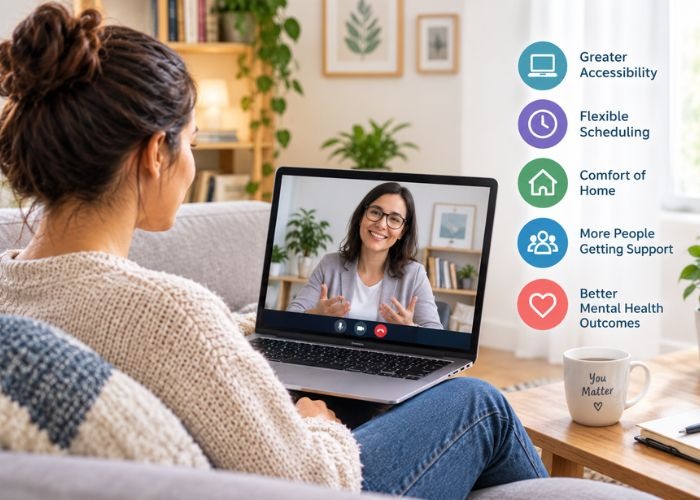
Telehealth has changed this situation. People can now speak with a therapist from home through a secure online connection. This makes mental health support easier to access for many Australians. It also gives people more flexibility when managing work, family and other responsibilities.
Why Distance Used to Be a Dealbreaker
Australia is a large country with many regional and remote communities. For people living outside major cities finding a qualified counsellor nearby is not always easy. In some areas the nearest professional may be several hours away.
Even people living in cities can face problems with traditional appointments. Traffic can add extra time to the journey. Finding parking can also be stressful. Parents may need to arrange childcare before they can attend a session.
For someone already dealing with anxiety, depression or trauma these extra problems can feel overwhelming. A simple appointment can become a much bigger task. As a result some people may decide not to seek help at all.
Shift workers and FIFO employees can face similar problems. Their working hours may not match normal clinic hours. Parents with young children may also struggle to find time for regular appointments.
Telehealth helps remove many of these barriers. Instead of travelling to a clinic people can attend their session from a private space at home or another suitable location.
What Changed
Technology has made online therapy much easier than it was in the past. Secure video platforms now allow people to communicate with therapists from almost anywhere with a suitable internet connection.
This means location does not have to be the biggest barrier anymore. Someone living in a regional town may be able to speak with a therapist based in another part of Australia. They can do this without spending hours travelling to an appointment.
The change became even more noticeable during COVID-19. In-person appointments were limited for a period of time. Many mental health professionals moved their services online so clients could continue receiving support.
However the use of telehealth did not stop when restrictions ended. Many people continued using online sessions because they found them convenient. They could avoid travel and fit appointments more easily into their daily routines.
For people dealing with anxiety or a busy schedule this convenience can be very important. Being able to attend sessions from home may make it easier to continue therapy regularly.
Who Actually Benefits Most
Telehealth can help many different people. It is not only useful for those who live far away from a therapist. It can also help people who have practical or personal barriers that make traditional appointments difficult.
Rural and remote communities
People living in rural and remote areas can access therapists who may not be available in their local community. They may no longer need to travel several hours for every appointment.
People who find leaving home difficult
Some physical or mental health conditions can make travelling difficult. Online sessions allow people to receive support without dealing with the added pressure of leaving home.
Parents with young children
Parents often have busy schedules. Finding childcare for every appointment can be difficult. Telehealth can make it easier to fit a session around school runs nap times and other family responsibilities.
Shift workers and FIFO employees
People who work unusual hours may struggle to attend regular clinic appointments. Telehealth can offer more flexibility when their work schedule changes.
People with social anxiety
For someone with social anxiety or agoraphobia visiting a new clinic can feel stressful. Starting therapy from home may feel easier. For some people it can become a first step toward getting regular support.
Addressing the Obvious Question: Does It Actually Work?
One of the first questions people ask is whether online counselling can really provide the same value as face-to-face therapy. It is a reasonable question. People want to know that changing the way therapy is delivered will not reduce the quality of their support.
Research into online counselling has found that telehealth can be helpful for several common mental health concerns. Online counselling Australia wide has become an increasingly common option for people seeking support with anxiety, depression, grief and other concerns.
However telehealth will not suit everyone. Some people feel more comfortable speaking with a therapist in person. Certain types of trauma work or specific clinical situations may also benefit from face-to-face support.
The most important factor is often the relationship between the client and therapist. Feeling comfortable with the practitioner matters. So does regular attendance and being open during sessions.
Telehealth can help with these things by making appointments easier to attend. When there is no long commute or parking problem it may be easier for people to keep their regular sessions.
Practical Things to Know Before Booking
If you are thinking about trying telehealth counselling for the first time there are a few things worth checking before your appointment.
Check the platform
Ask what platform the provider uses for online sessions. A professional provider should use a secure system that protects your privacy. If you are unsure about the platform ask the provider before booking.
Find a private space
Try to find a quiet place where you can speak without interruptions. You do not need a perfect home setup. However, having some privacy can make it easier to talk openly during your session.
Check funding options
It is useful to understand the cost before your first appointment. Depending on your situation you may have access to support through NDIS or Medicare options. Private health cover may also apply in some cases. You should confirm the available options directly with your provider.
Choose phone or video
Not everyone feels comfortable using video. Some people prefer speaking over the phone. Others find video sessions more personal and engaging. Ask your provider which options are available and choose the format that feels comfortable.
The Bigger Picture
Telehealth counselling is not simply a lesser version of traditional therapy. It is another way of delivering mental health support. For many people it removes practical problems that once made therapy difficult to access.
Someone living in a rural area may no longer need to travel for hours. A busy parent may be able to attend a session from home. A shift worker may have more flexibility when planning appointments.
This does not mean telehealth is right for everyone. People have different needs and preferences. Some may prefer face-to-face sessions while others may feel more comfortable speaking from home.
The important point is that people now have more options. If distance or scheduling has stopped you from seeking support then online counselling Australia options may be worth exploring.
Providers offering telehealth counselling Australia services can help people connect with qualified professionals without the need for a long commute. This can make the first step feel much easier.
Mental health support should not depend only on where someone lives. Telehealth has helped reduce some of the distance and practical barriers that once made support difficult to access.
For many Australians the ability to speak with a counsellor from home has made regular support more realistic. It gives people another option when traditional appointments do not fit their lives. Most importantly it can make reaching out for help feel simpler and more manageable.