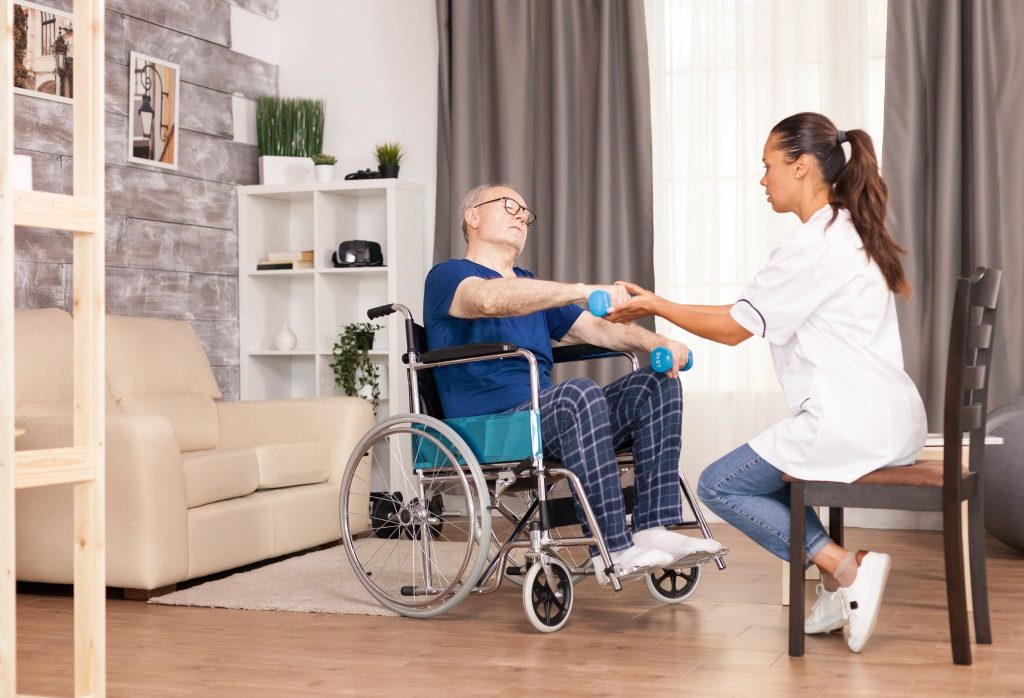
It may take more than rest to recover from an injury, surgery or a condition where patients have suffered from a long-term health problem. Occupational therapy can be a critical part of recovery, providing a person with tools to help them be independent, be mobile and active and participate in daily activities. The occupational therapist works to support patients’ health and maintain their functional independence by assisting them to develop the finely tuned abilities necessary to meet physical and functional demands while using individualised rehabilitation plans.
For those recovering from orthopaedic surgery or a neurological condition or trying to regain strength after illness and injury, occupational therapy will offer a framework of health and a sense of recovery as a professional. In collaboration with other treatment and rehabilitation professionals like physical therapist San Jose, CA, patients get complete treatment that focuses on both recovery and their everyday function.
What Is Occupational Therapy?
An occupational therapist is a specialist in health care services which include specialist occupational therapy services to assist individuals to carry out their daily activities safely and independently. Instead of concentrating on symptoms, occupational therapists evaluate the impact of physical, cognitive and emotional problems on functional abilities in day-to-day life. These then develop individual treatment plans which create increased mobility, co-ordination, strength and confidence.
Therapy programmes include exercises, adaptive techniques, mobility training and functional activities aimed at recovery at home, at work and in the community to suit the needs of each person.
The Importance of Occupational Therapy During Recovery
Not all people will recover from the same experience. Things like age, medical history, and the nature of the injury will affect outcomes of rehabilitation, as will other lifestyle factors. Occupational therapy can help people get back to their everyday life after a sickness or injury by solving problems regarding what the person needs to do in their usual surroundings.
For individuals recovering from a fracture, joint replacement surgery, neurological conditions or chronic pain conditions, structured therapy is helpful for promoting safe movement patterns and decreasing the risk of subsequent issues and complications developing. Some OT services will help you become more independent and live your best life by helping you regain some functional ability.
Personalised Rehabilitation for Better Outcomes
All rehab programmes need to be tailored to the goals of the patient. Qualified occupational therapists start by conducting a thorough assessment, after which a treatment programme is devised tailored to change over time until healing is complete.
Treatment can involve strengthening the upper body, improving hand function, raising balance, learning and utilising energy conservation strategies, and learning safe movement strategies. To complement these services, your patient is prescribed specific exercises that enhance their strength, flexibility and functional movement all while benefiting their brain’s control in a regulated setting.
This individualised plan allows for progressive steps and a safe and effective approach to rehabilitation.
Supporting Recovery After Orthopaedic Conditions
A person’s functional capacity often is compromised by orthopaedic injuries and/or surgeries. An occupational therapist assists patients to restore their movement after fractures, injuries to their ligaments, shoulder problems, or joint replacement surgery.
Those receiving knee replacement rehab therapy often need assistance to gradually regain mobility, joint range of motion and muscular strength and return to their daily activities. OTs collaborate with rehab professionals to design functional exercises that promote patients’ confidence and lessen the discomfort during recovery.
Occupational therapy can also provide patients aiding through the orthopedic rehab Fremont programme benefits, like improving ways of movement, relieving stiffness and recuperating techniques utilised for everyday living.
Managing Neurological Conditions
Occupational therapy is especially beneficial for people with neurological problems that impact motor functioning, coordination and balance. People with diseases like Parkinson’s, a stroke, or multiple sclerosis (MS) may need continuous rehabilitation benefits to keep them independent.
Specialised programmes like LSVT Big and Loud target amplitude of movement, LSVT posture protocol, communication and functionality. These proven strategies will improve patients’ functional abilities in daily activities and maintain their mobility and confidence.
Goals are individualized and planned collaboratively with patients and their families and are realistic Occupational therapists work to ensure continued progress throughout rehabilitation.
The Benefits of Aquatic Therapy
For many people who are in pain, have less mobility or are not able to bear weight, water-based rehabilitation is a good choice of treatment. In aquatic therapy San Jose, patients carry out guided exercises in warm water, which helps patients move more freely and has less effect on the joints.
By combining the supportive qualities of water with exercise, aquatic therapy can help enhance flexibility, strength, balance, circulation and coordination without any unwarranted taxing of healing tissues. Specially advantageous for persons recovering from orthopaedic surgery, arthritis, sports damages and persistent musculoskeletal diseases.
Once the patient feels comfortable and strong in the water, they may make a successful move to other land based rehabilitation programmes.
Addressing Chronic Pain Through Rehabilitation
Ongoing discomfort and emotional stresses may be significant. Occupational therapy works to enhance movement, alleviate discomfort and educate on principles which can assist in conducting daily activities, more so than therapy through medication alone.
Many patients who undergo back pain rehabilitation can benefit from correction of their posture, education of their bodies, strengthening exercises, dozzle advice and activity modification. These interventions help to reduce the strain on the spine and to ensure the movement pattern is healthier to minimise pain reoccurrence.
Occupational therapy is more than symptom management it is focused on helping to improve the underlying cause of the discomfort so that it can benefit long-term changes in the individual’s occupation.
Choosing Comprehensive Rehabilitation Services
Choosing a rehab centre that has experience is a crucial aspect to the process of recovering from addiction. Risk-taking to find the best inpatient physical rehab facility near me, people need to find a facility that offers multidisciplinary rehabilitation that incorporates occupational therapy along with physical rehabilitation, strength training, mobility exercises, and patient education.
Integrated rehabilitation services go beyond just treating the illness; they address recovery in a holistic way, with healthcare professionals working toward individualised recovery plans. This holistic strategy often times results in better functional and recovery outcomes and better patient satisfaction.
iMotion Physical Therapy offers patients expert rehabilitation that’s patient-centred and evidence-based, which aims to recover, restore and enhance the quality of life.
Conclusion
Professional occupational therapy is an important mechanism for promoting recovery from injury, surgical procedures, disorders of the nervous system and chronic pain, with confidence and self-independence gained. The occupational therapist works with a patient to develop a personalised treatment plan to foster functional rehabilitation, mobility training and collaboration with the rest of the healthcare team to help patients improve their functional ability in real-world activities.
OT can provide practical solutions that help achieve long-term benefits, whether for recovery after orthopaedic surgeries, by helping to improve movement through specialised neurological rehabilitation programmes or by empowering individuals to manage chronic pain. In addition to the rehabilitation services provided, patients today can also regain mobility and become more independent in their daily lives and embark on activities they are interested in with more confidence and wellbeing, thanks to that.